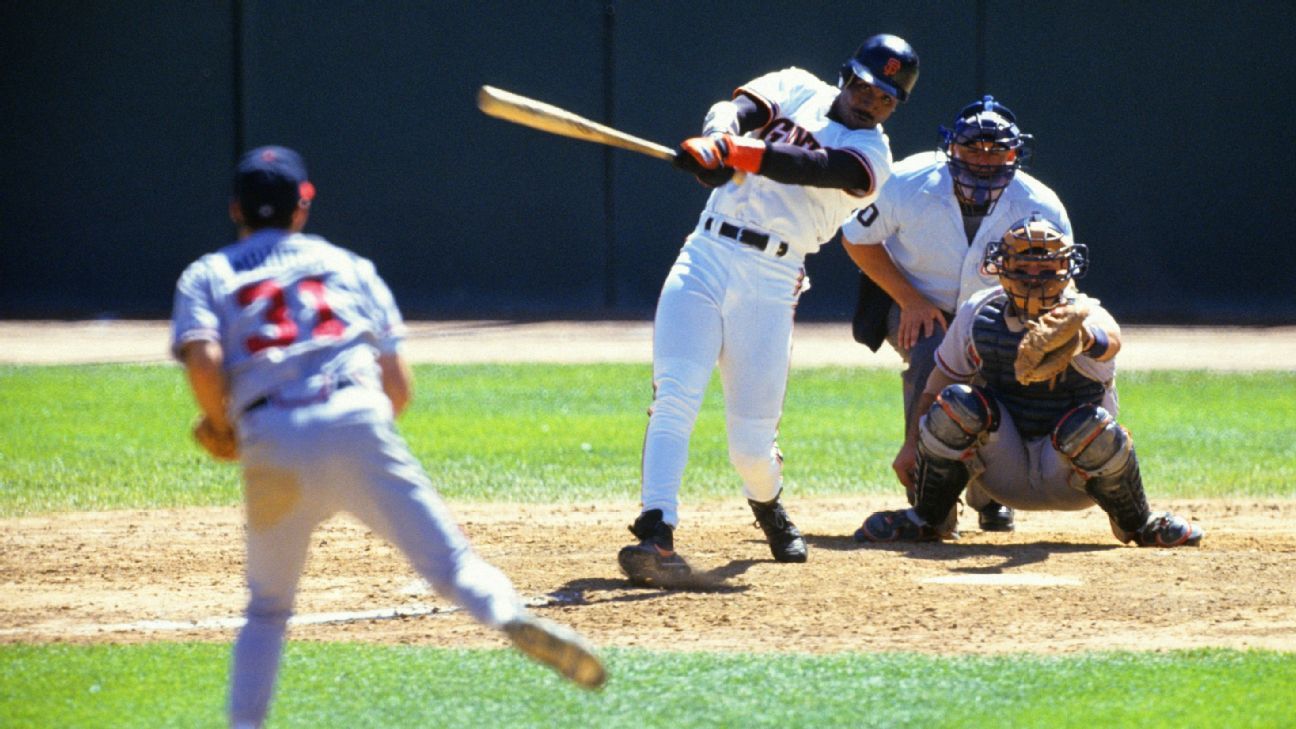
Fifty years ago, Major League Baseball marked a significant milestone with the first free agent contract, transforming how teams build their rosters. Over the past half-century, thousands of free agent deals have been signed, totaling over 8,340 agreements. Some of these signings have become legendary, elevating teams to new heights, while others have been widely regarded as poor investments that failed to meet expectations.
In this comprehensive review, we evaluate the best and worst free agent signings in MLB history. These assessments are based on the impact players had on their teams, the value they provided relative to their contracts, and the long-term effects on team success. From iconic stars who changed the course of franchises to cautionary tales of overpaying for fleeting performance, the history of free agency is rich with lessons.
Among the most celebrated signings are players like Alex Rodriguez, whose move to the New York Yankees in 2004 was a game-changer, helping secure multiple championships. Conversely, some signings have gone down as notorious failures, such as Javier Báez’s contract with the Detroit Tigers, which did not produce the expected results and became a symbol of overextension.
The evolution of free agency has also seen shifts in strategy, with teams increasingly willing to spend big on established stars or gamble on high-upside players. The analysis covers various eras, highlighting how economic factors, player performance, and team needs have influenced signing decisions.
Ultimately, understanding these signings provides insight into the complexities of team-building and the unpredictable nature of player performance. Whether celebrated or criticized, each deal reflects a chapter in the ongoing story of Major League Baseball’s dynamic free agency landscape.